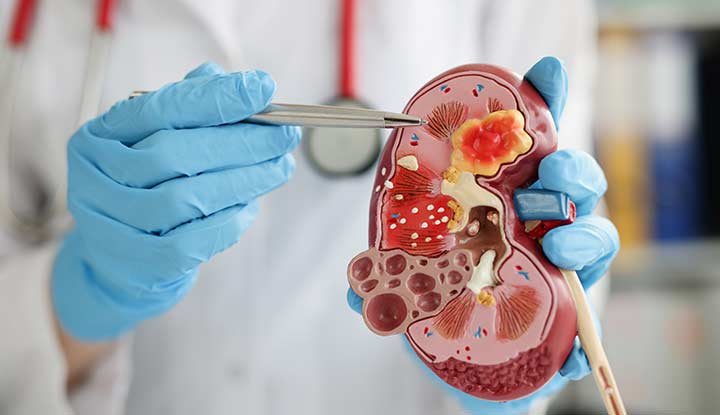

Nephrology
Exploring Nephrology
Nephrology is a specialized field of medicine that focuses on the health and diseases of the kidneys. Nephrologists diagnose, treat, and manage various kidney-related conditions, ensuring the proper functioning of these vital organs.
Conditions Treated in Nephrology
The range of conditions that nephrologists treat includes, but is not limited to:
- Chronic Kidney Disease (CKD): A long-term condition where the kidneys do not work effectively.
- Acute Kidney Injury (AKI): Sudden loss of kidney function, often reversible with prompt treatment.
- Glomerulonephritis: Inflammation of the tiny filters in the kidneys (glomeruli).
- Polycystic Kidney Disease (PKD): A genetic disorder characterized by the growth of numerous cysts in the kidneys.
- Kidney Stones: Hard deposits formed in the kidneys, similar to urological management.
- Hypertension (High Blood Pressure): Managing blood pressure is crucial for kidney health, as uncontrolled hypertension can lead to kidney damage.
- Electrolyte Imbalances: Disorders in the balance of minerals and salts in the body, often related to kidney function.
- Kidney Transplantation: Managing pre- and post-transplant care for kidney transplant patients.
Diagnostic and Treatment Procedures
Nephrologists utilize a variety of diagnostic tests such as blood tests, urine tests, kidney biopsy, ultrasound, and imaging studies. Treatment can range from medication to dialysis, and includes:
- Dialysis: A procedure to remove waste products and excess fluid from the blood when the kidneys stop working properly. This includes hemodialysis and peritoneal dialysis.
- Kidney Biopsy: Removing a small piece of kidney tissue for laboratory examination.
- Management of Anemia and Bone Health: Common issues in chronic kidney disease.
- Fluid and Electrolyte Management: Essential in acute and chronic kidney diseases.
Prevention and Management
Preventive measures and management of kidney-related conditions often involve lifestyle changes such as:
- Healthy Diet: Low in sodium and phosphorus, especially important in kidney diseases.
- Control of Blood Sugar and Blood Pressure: Key in preventing or slowing the progression of kidney disease.
- Regular Screening: Especially for those with risk factors like diabetes, hypertension, or family history of kidney disease.
- Avoidance of Nephrotoxic Substances: Such as certain medications and toxins that can harm kidney function.